 ICSSR Sponsored22nd National Conference●Hybrid Mode
Atmanirbhar Bharat: Empowering Local Entrepreneurship Through Startup India
Two Days National Conference · Auditorium, HLM Group of Institutions, Ghaziabad
26th & 27th November 2026
Abstract deadline: 10th Nov · Registration closes: 20th Nov
Counting down to the Conference
26-27 November 2026 · Auditorium, HLM Group of Institutions
About the Conference
Entrepreneurship and self-reliance stand as the fundamental pillars of India's contemporary economic vision. The call for an Atmanirbhar Bharat underscores the vital necessity of nurturing domestic capabilities, fostering grassroots innovation, and empowering local ecosystems.
This national conference provides a dynamic platform for academicians, researchers, policymakers, industry experts, and budding entrepreneurs to deliberate on the multi-faceted dimensions of local entrepreneurship and strategize actionable solutions to strengthen the startup ecosystem.
Call for Papers & Important Deadlines
About HLM: established in 2005 under the visionary leadership of the HLM Educational Society, one of the premier educational groups in Delhi-NCR offering 20+ programs across engineering, management, law, education and nursing.
Last Date of Abstract Submission
Registrations Open
Notification of Paper Acceptance
Last Date of Full Paper Submission
Last Date of Registration
Publication Opportunity
All accepted papers presented at the conference will be published in the Blended Peer-Reviewed Journal of the HLM Group:
"HLM Journal of Applied Research"
Volume 1, Issue 2, ISSN: 3049-3854
Submit & Register
Themes & Sub-themes
Twelve themes spanning startups, rural enterprise, technology, finance, policy, education and sports.
Role of Startup India in Promoting Atmanirbhar Bharat
- Aligning local innovations with national growth goals
- Impact of government grants and fiscal incentives
- Success stories of indigenous manufacturing and services
- Challenges in scaling local ventures to national levels
- Strategic integration of the Make in India initiative
Grassroots and Rural Entrepreneurship
- Fostering traditional crafts, handlooms, and agro-industries
- Social entrepreneurship models for community transformation
- Challenges of infrastructure and logistics in rural regions
- Financial inclusion and micro-credit access for rural youth
- Role of cooperative societies and self-help groups (SHGs)
Technological Innovations and Digital Transformation in Startups
- Leveraging Artificial Intelligence and IoT for business optimization
- Digital public infrastructure (UPI, ONDC) as enterprise enablers
- E-commerce strategies for rural and semi-urban businesses
- Cybersecurity frameworks for small and medium enterprises
- Automation and its influence on local labor dynamics
Funding and Financial Ecosystem for Local Entrepreneurs
- Venture capital, angel investing, and crowdfunding trends
- Evaluation of Mudra loans and credit guarantee schemes
- Role of commercial and regional rural banks in seed funding
- Managing cash flow and financial sustainability in early-stage startups
- Exit strategies and IPO trends for Indian startups
Skill Development and Capacity Building for Self-Reliance
- Integrating entrepreneurial education in high schools and colleges
- Role of National Skill Development Corporation (NSDC) programs
- Vocational training alignment with modern market demands
- Mentorship networks and their impact on startup survival rates
- Bridging the skill gap between industry expectations and graduate capabilities
Women Entrepreneurship and Social Inclusivity
- Breaking barriers for female founders in tier-2 and tier-3 cities
- Institutional support and dedicated schemes for women-led startups
- Case studies of successful women entrepreneurs at the grassroots level
- Addressing socioeconomic disparities through inclusive venture creation
- Empowerment of marginalized communities through targeted entrepreneurship
Sustainable and Green Entrepreneurship
- Eco-friendly business models and circular economy practices
- Renewable energy startups and clean-tech innovations
- Waste management and sustainable supply chain strategies
- Consumer behavior shifts towards organic and green products
- Balancing environmental responsibility with corporate profitability
Policy Frameworks, Regulatory Reforms, and Ease of Doing Business
- Simplifying compliance and tax procedures for early-stage ventures
- Comparative analysis of state-level startup policies in India
- Impact of labor law reforms on entrepreneurial growth
- Legal frameworks for contract enforcement and dispute resolution
- Evaluating the single-window clearance systems
Intellectual Property Rights (IPR) and Innovation Management
- Commercializing academic research and patenting innovations
- Navigating IPR frameworks for small-scale innovators
- Protecting traditional knowledge and geographical indications (GI)
- Strategies for managing intellectual property in collaborative ventures
- Mitigating patent infringement risks for global expansion
Incubation Centers, Academic-Industry Collaboration, and Ecosystem Enablers
- Best practices for managing technology business incubators (TBIs)
- Structuring joint research initiatives between universities and corporations
- Role of corporate social responsibility (CSR) funding in supporting incubators
- Designing collaborative spaces to bridge academic theory and industry practice
- Acceleration programs and their role in market access expansion
Entrepreneurship Education and Academic Reforms
- Integrating startup incubation models into mainstream higher education curricula
- Role of NEP 2020 in fostering an entrepreneurial mindset from the primary to tertiary levels
- Experiential learning, industrial internships, and supporting student-led ventures
- Capacity building for educators to nurture innovation and design thinking in classrooms
- Evaluation of university-driven seed funding and campus startup policies
Sports Entrepreneurship, Economy, and Ecosystem Development
- Commercialization of traditional and indigenous sports under national initiatives like Khelo India
- Growth of sports-tech startups, fitness applications, and wearable health technologies
- Local manufacturing of global-standard sports goods and equipment under Make in India
- Investment trends, venture capital, and franchise models in domestic sports leagues
- Skill development and startup opportunities in sports management, nutrition, and rehabilitation
Submission Guidelines
Paper formatting requirements for all submissions.
Font
12-point Times New Roman
Spacing
1.15 paragraph spacing
Margins
Top 2.54 cm, Bottom 2.54 cm, Left 3.018 cm, Right 3.18 cm
Page Number
Bottom-Right
Layout
Single Column, Portrait
Format
Word Document only
References
APA Style
Seminar Committee
 AA
AADr. Anuj Agarwal
Group Director, HLM Group of Institutions
 MJ
MJDr. Mohit Kumar Jindal
Dean Academics, HLM Group of Institutions
 MR
MRDr. Mamta Rani
Principal, Mahalaxmi College for Girls
Keynote Speakers
Distinguished speakers from academia, policy and industry will be announced soon.
To Be Announced
Keynote Speaker
To Be Announced
Guest of Honour
To Be Announced
Industry Expert
To Be Announced
Session Chair
Register for the Conference
The registration fee includes a Welcome Kit, Refreshment/Lunch, Print Copy of journal, and Certificate. It does not include boarding and lodging expenditure.
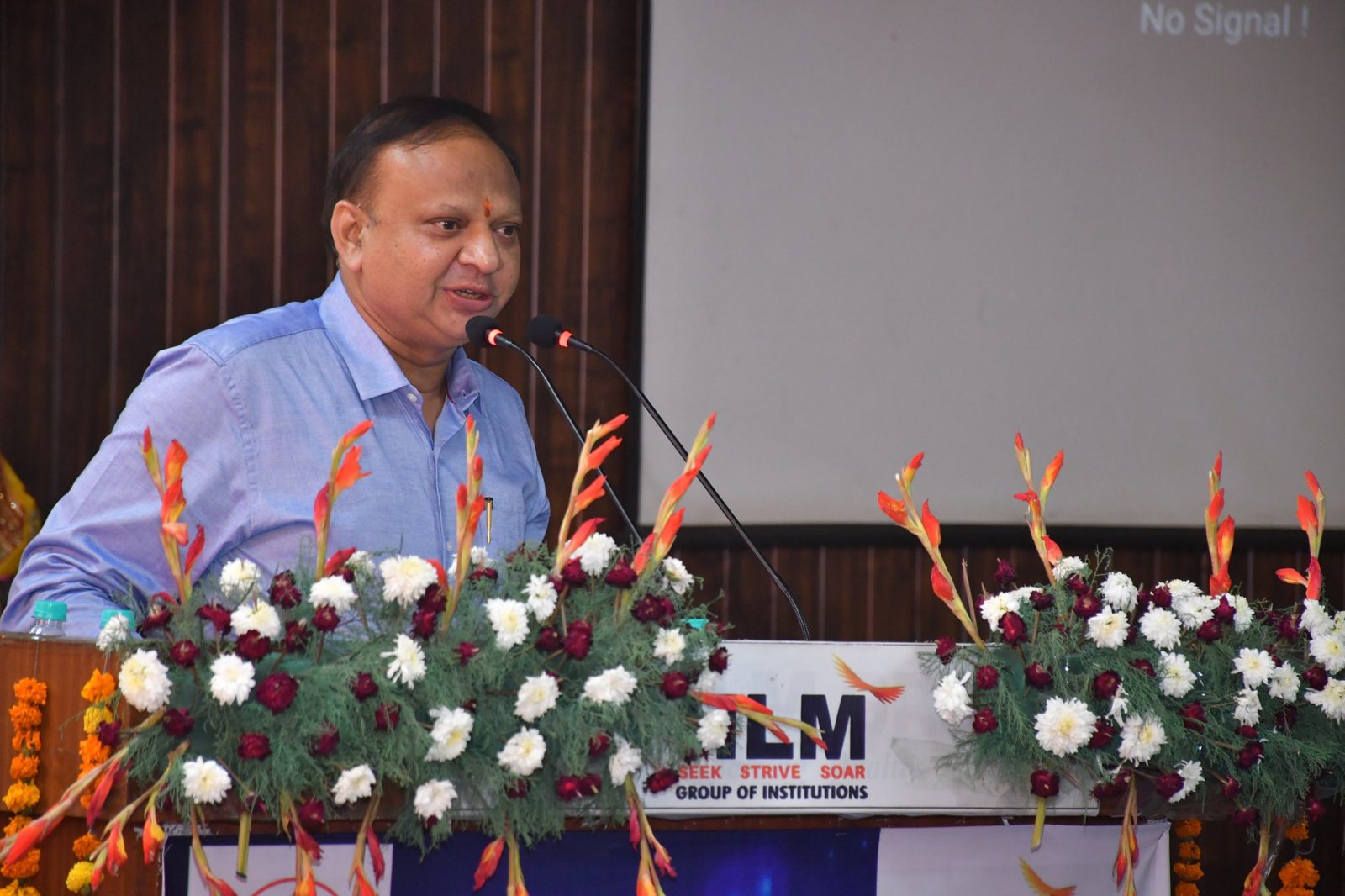
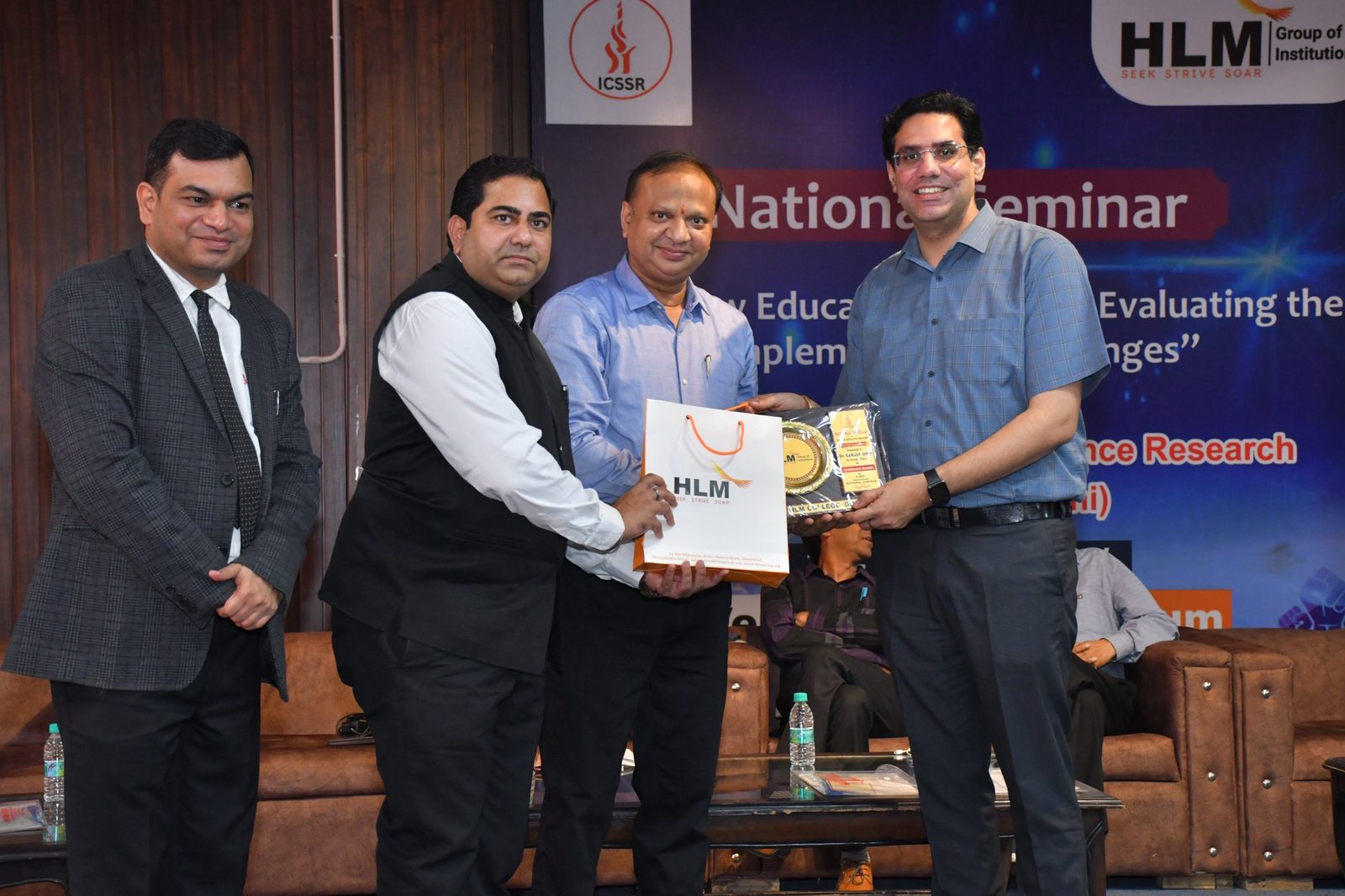
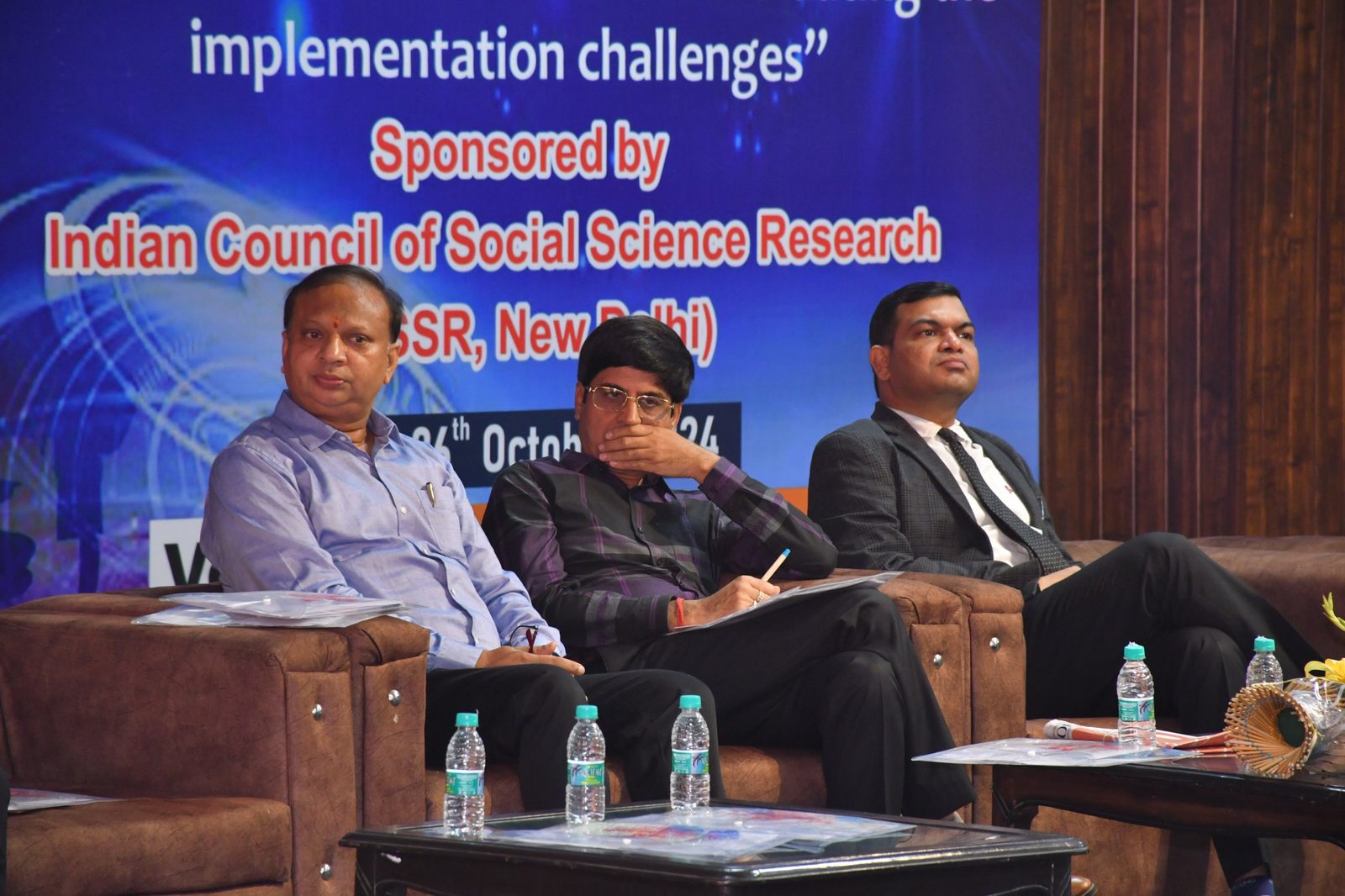
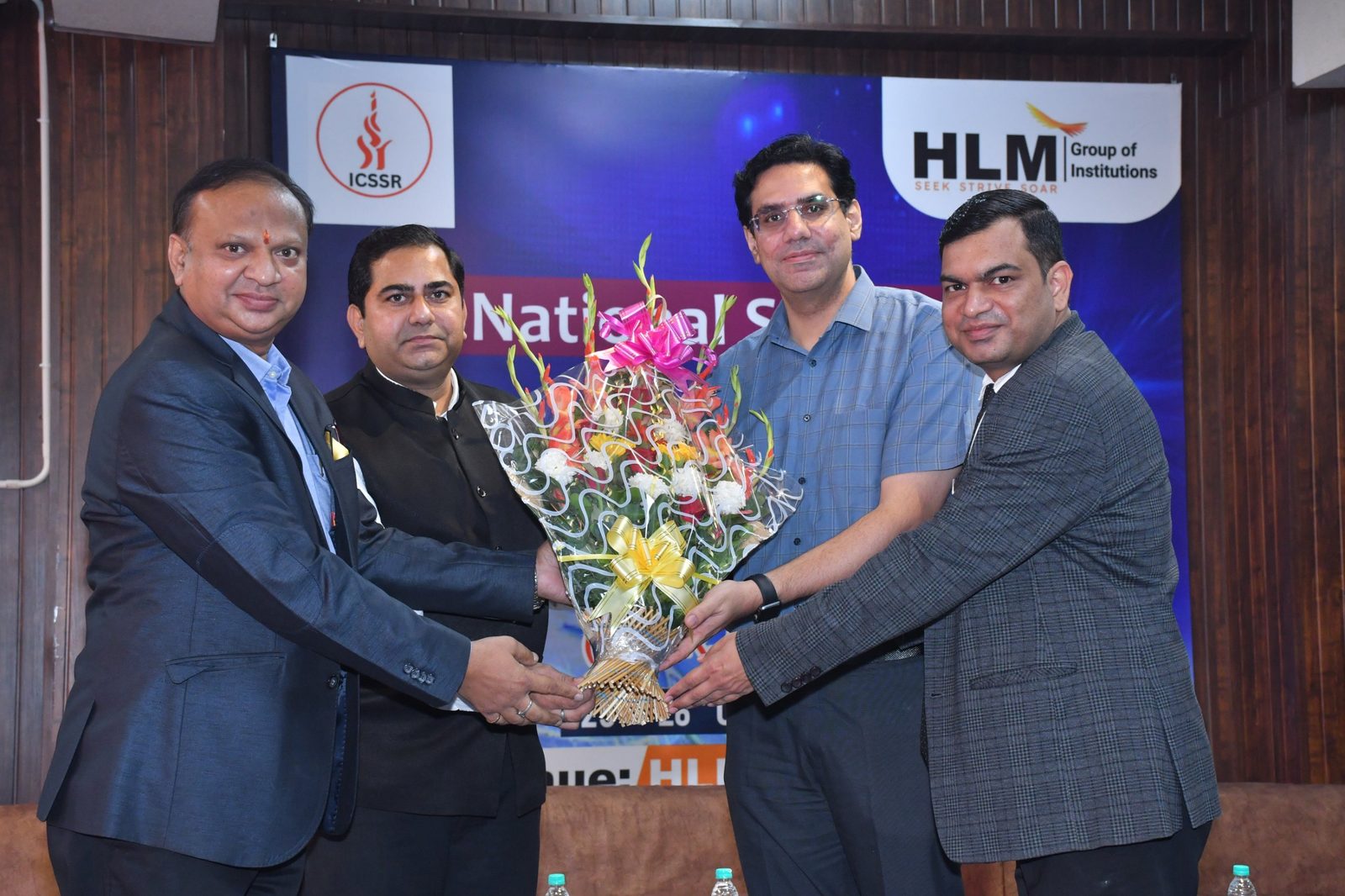
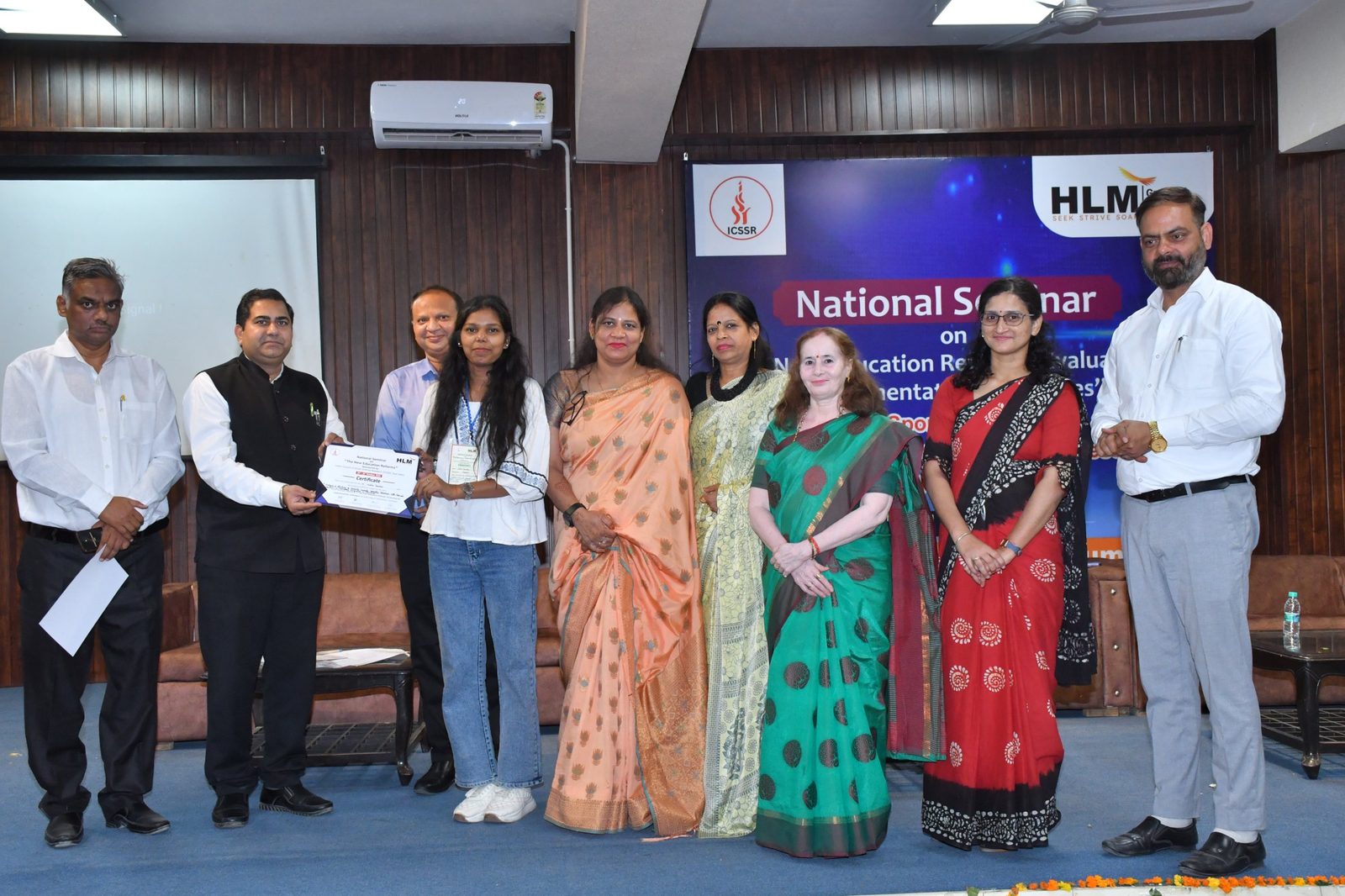
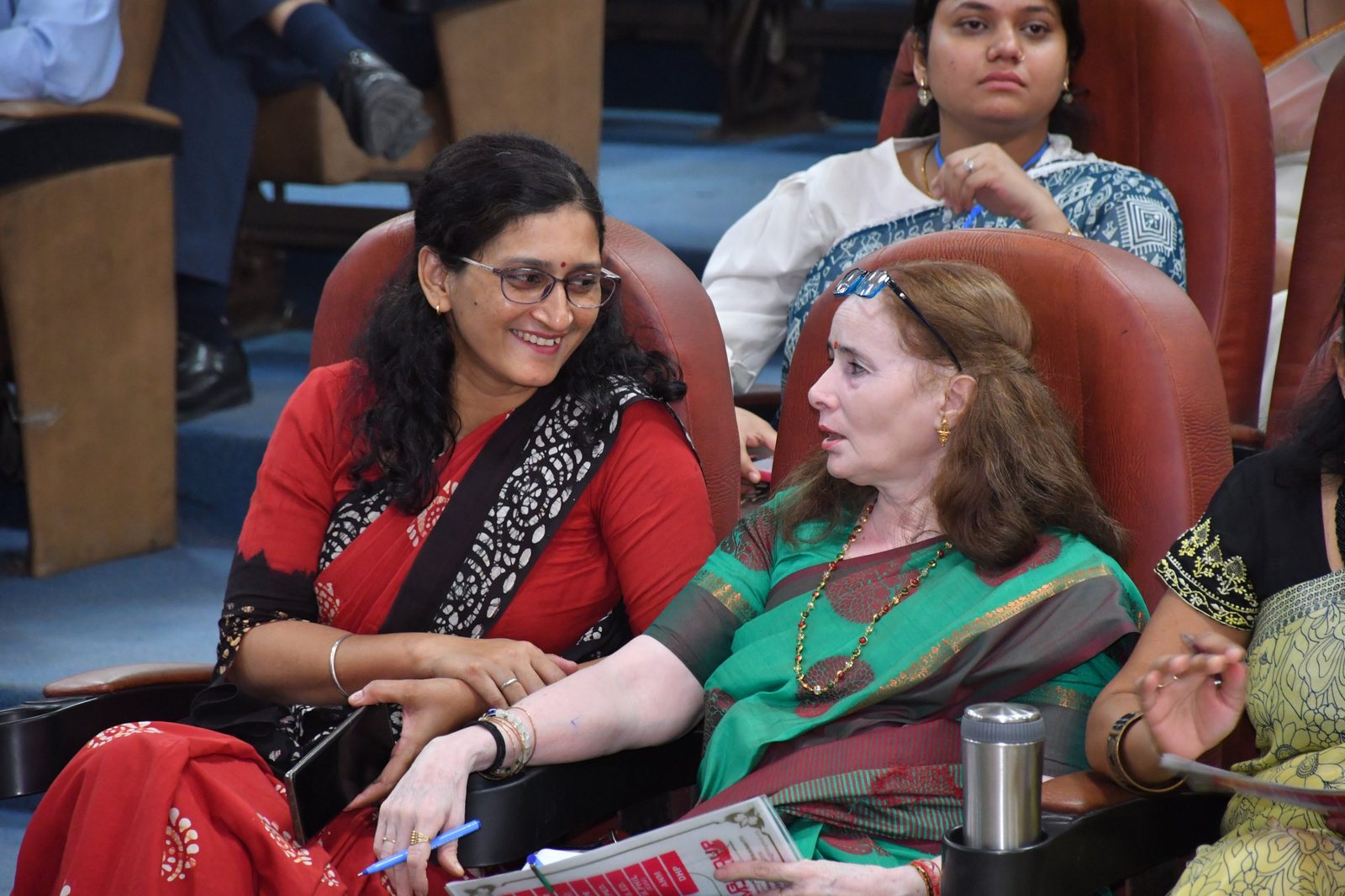
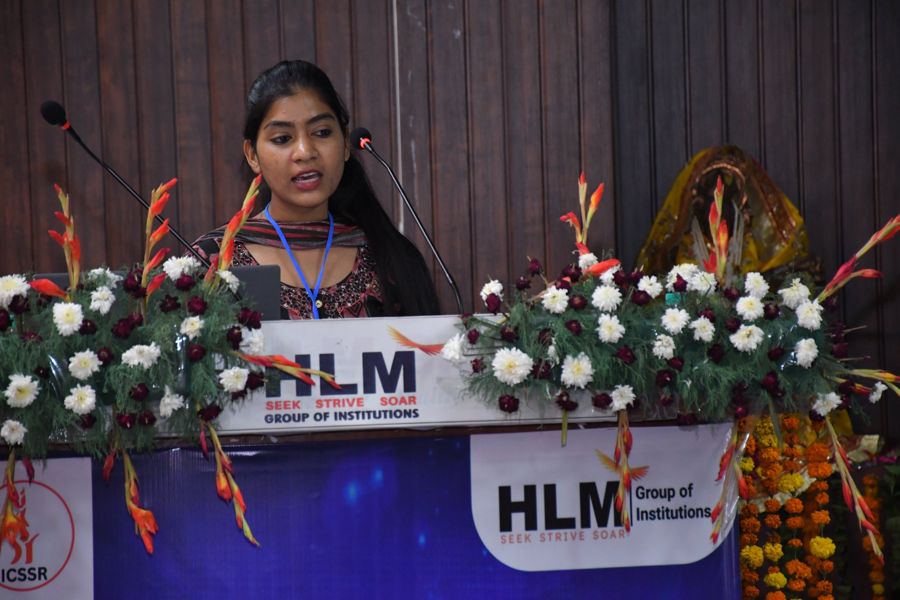
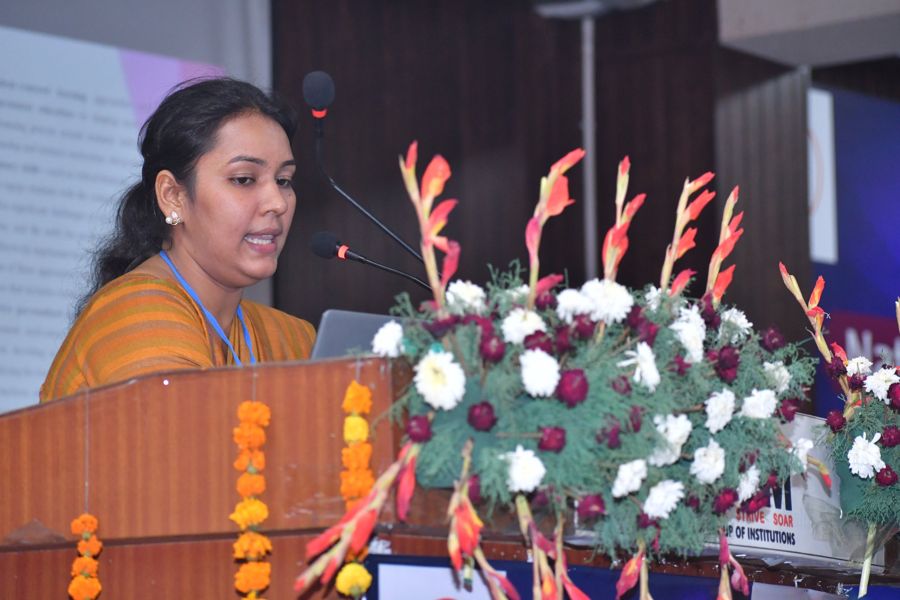
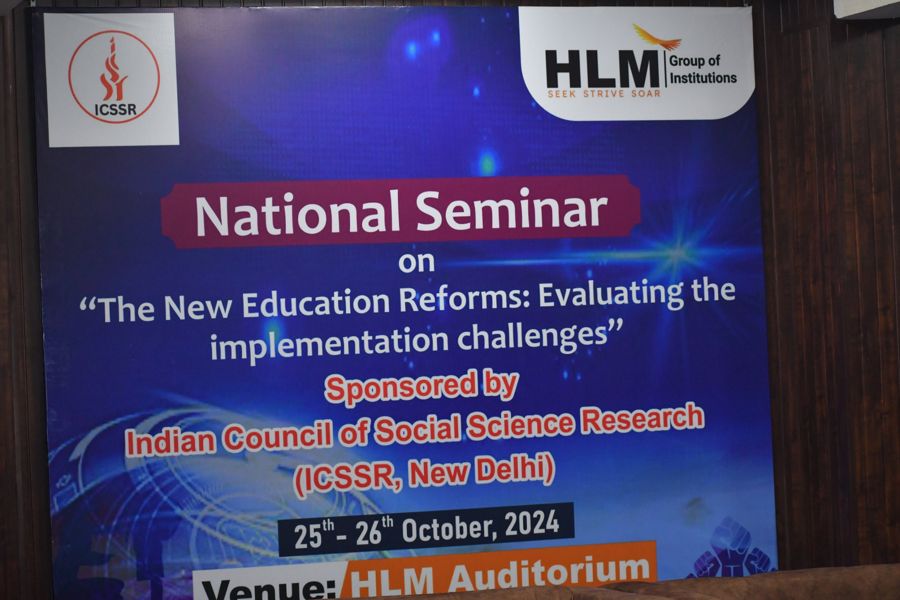
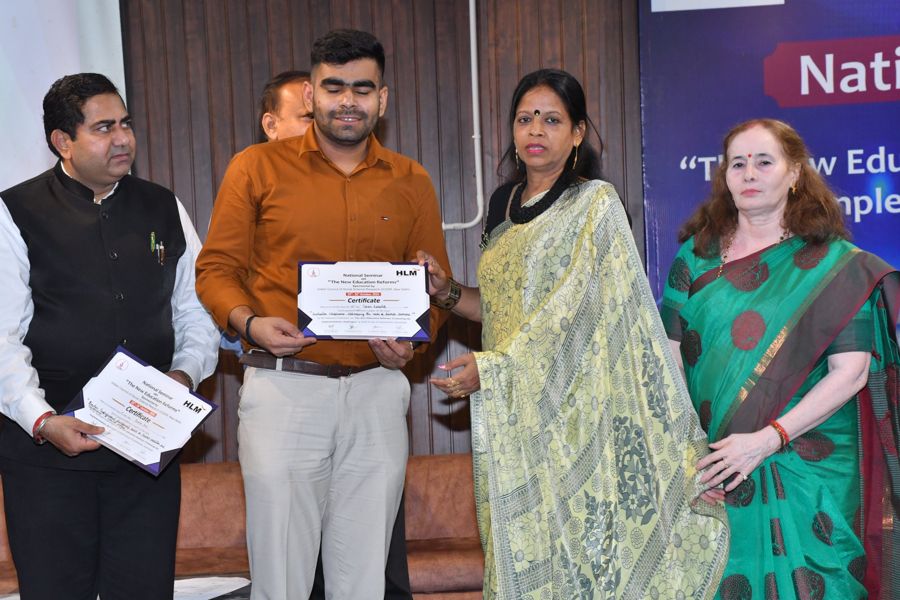
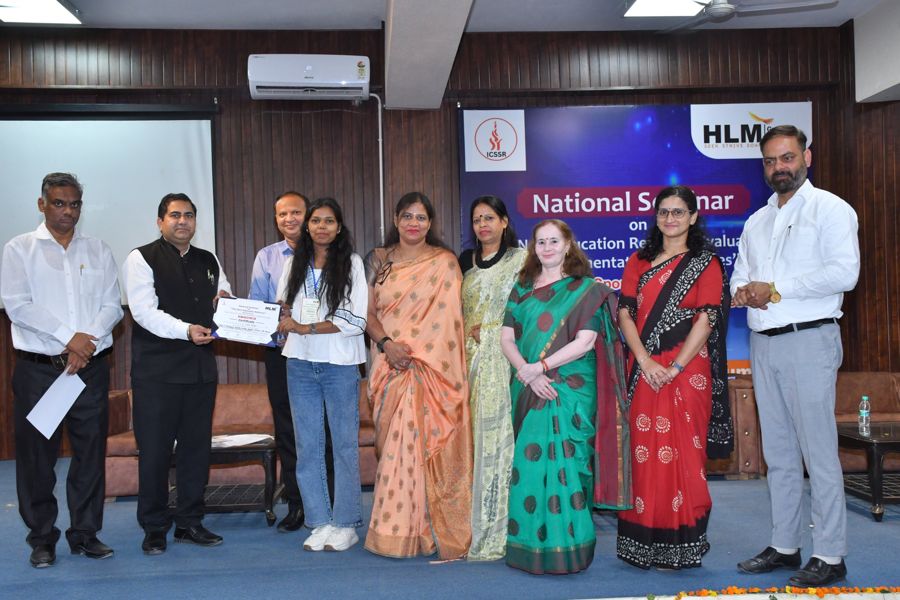
Glimpses of 1st National Conference
Moments from our first national conference. Tap or click any photo to view it full size.
Get in Touch
Auditorium, HLM Group of Institutions, 11th km Milestone, Pillar No. 793, Namo Bharat Rapid Train, Delhi-Meerut Road, Ghaziabad-201206 (U.P)
www.hlmgroup.org